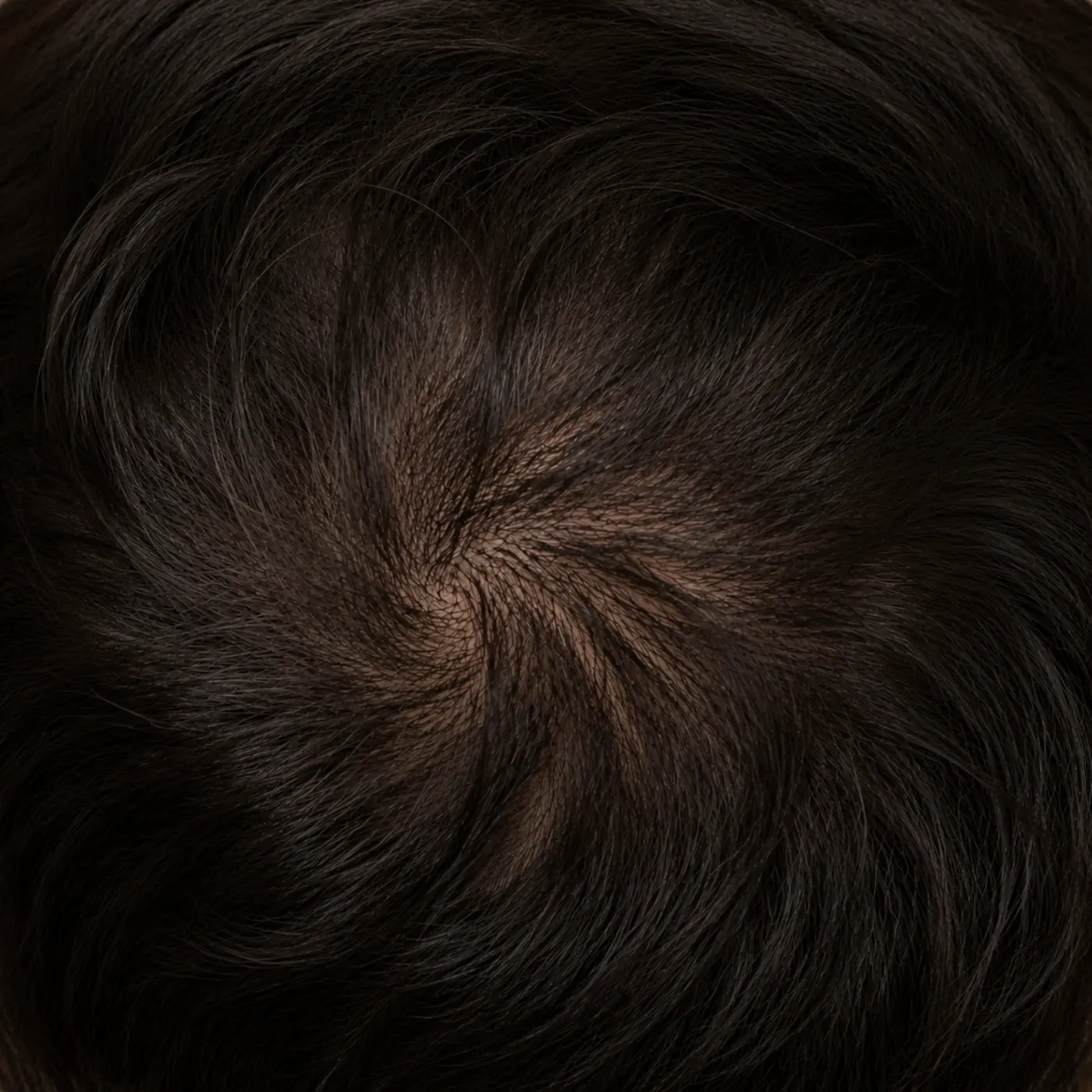
PHONE PHOTO154what the photo appears to showDistance changed
Stop arguing with the mirror.
HairScan is being built to scan the same four areas the same way every time. Come back later and see whether your hair is improving, stable, or worsening.
You know this routine
Then you spend twenty minutes trying to match the angle from six months ago. The lighting is different. Your hair is longer. You still have no idea.
The problem is the photo.
The screen you actually want
HairScan is being built to answer that question for each area of your scalp.
Join early accessTreatment takes time
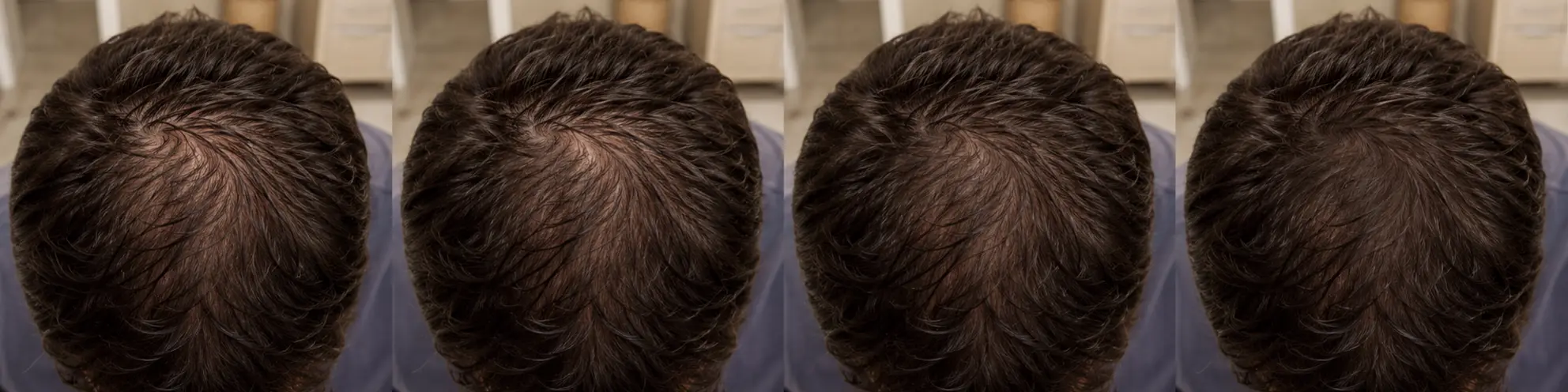 Day 0
Day 0You take a baseline photo and tell yourself you will remember exactly how it looked.
Why progress photos fail
Two photos of the same scalp can look completely different. Move the camera, change the light, or part the hair differently and it can suddenly look fuller or thinner.
Try it. Change one part of the photo.
How it works
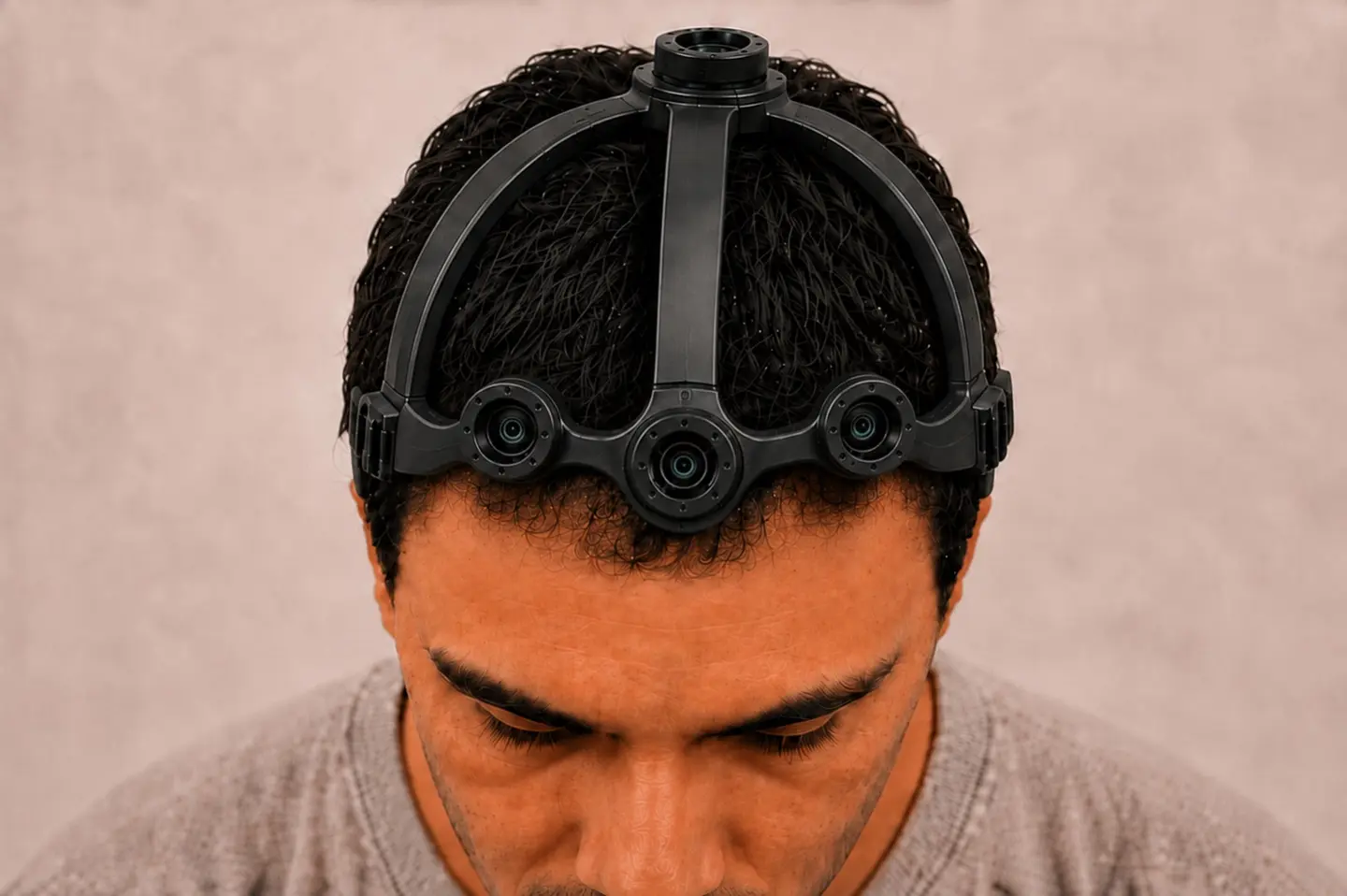
Lightly dampen your hair.
Put on the frame and adjust the fit.
Move the puck through the four ports and press.
Come back later and compare with your baseline.
Why there is hardware
The frame and puck control the things that move around when you use a phone.
Change from baseline
ImprovingHigh confidenceThe frame puts each scan port back in the same area of your scalp.
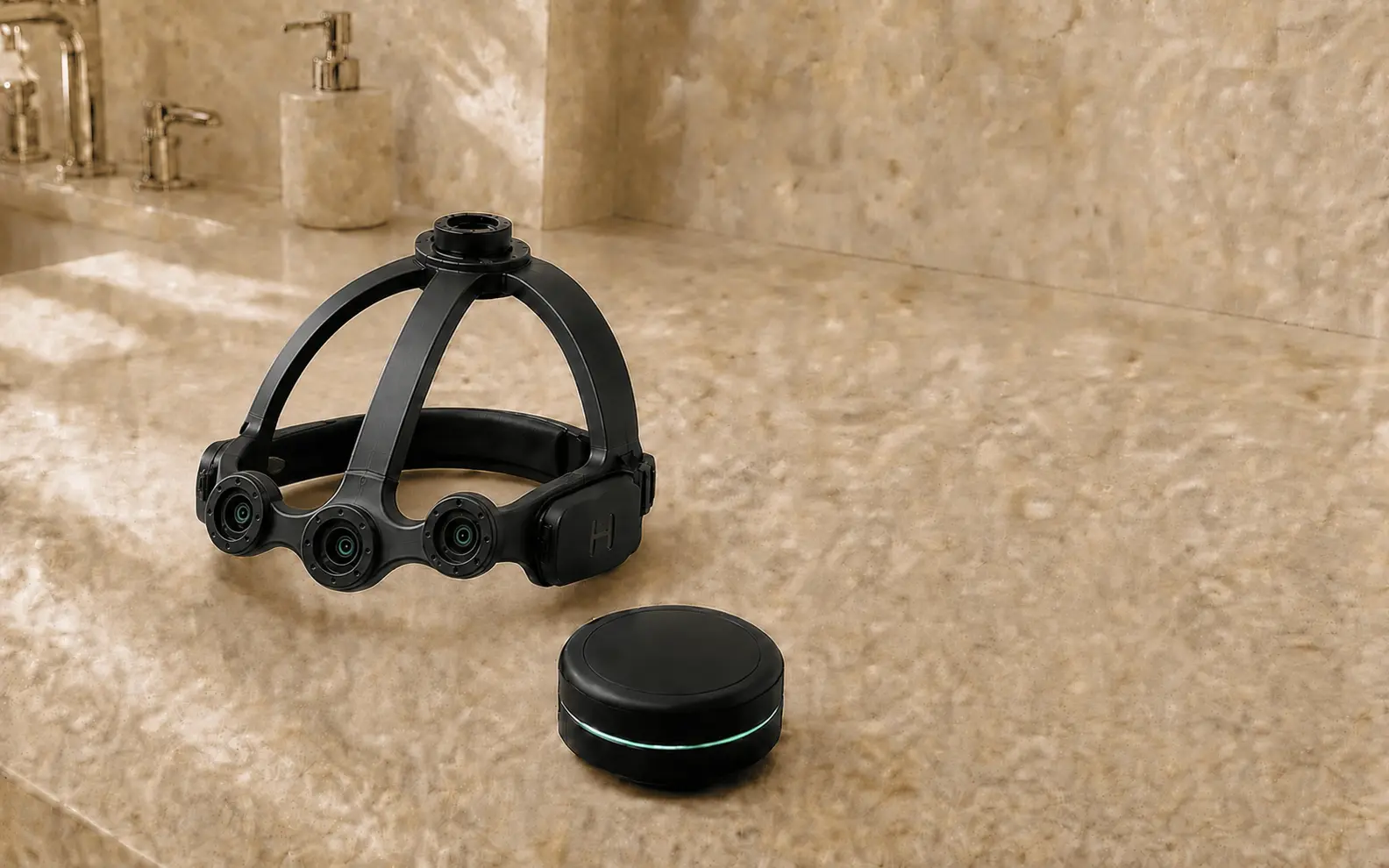
Inside the current prototype
The design is still being tested. Tap a part to see what it does.
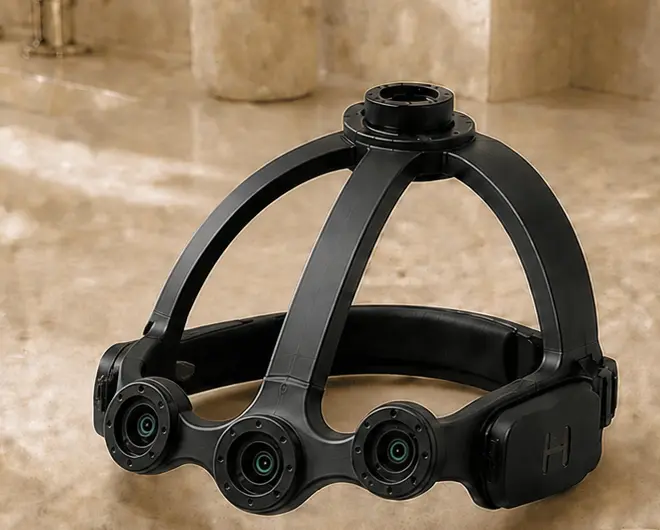
Three scan sites follow the front hairline. The fourth sits over the vertex. The frame keeps those locations fixed from one session to the next.
Clinics already use controlled cameras to measure microscopic hair characteristics. The light, distance, and target area stay fixed.
HairScan is trying to bring that repeatability home. The device still has to prove that it can do it reliably.
Visible hairs in a fixed area.
Whether the measured hair is trending thicker or thinner.
Scan quality
A confident-looking number from a poor image is useless. HairScan is being built to check alignment and image quality before it compares anything.
Scan the vertex again.
Previous location found
HIGH CONFIDENCEWhy HairScan exists
That is the problem we are trying to fix.
The work right now is hair separation, image quality, location matching, and repeatable measurement. The device still has to be built and validated.
Early access
Leave your email if you want to see HairScan get built.
Join early access
Questions
The planned result starts with change from your baseline. Supporting measurements may include hair density, relative thickness, regional change, and scan confidence. The final metrics depend on validation.
A phone leaves the spot, distance, lighting, and hair parting up to you. HairScan uses fixed ports and one imaging puck to keep those conditions consistent.
The goal is to scan intact, lightly damp hair. The hair separation mechanism and its performance across different hair types are still being tested.
Probably once a month or once every few months. Hair changes take time, so daily scans would add noise without adding much information.
No. HairScan is a tracking tool. It does not diagnose a condition, choose a treatment, or replace a dermatologist.
No. HairScan is in development. Accuracy, final hardware, hair type compatibility, price, and timing still need to be tested and finalized.
A ship date has not been announced. People on the early list will get development updates as the product is built.
The current plan is to include basic measurements without a required subscription. No paid plan has been announced.
COME BACK SIX MONTHS LATER